µKenbak-1 Kit
Sold by Adwater & Stir · in Vintage & Retro Computing
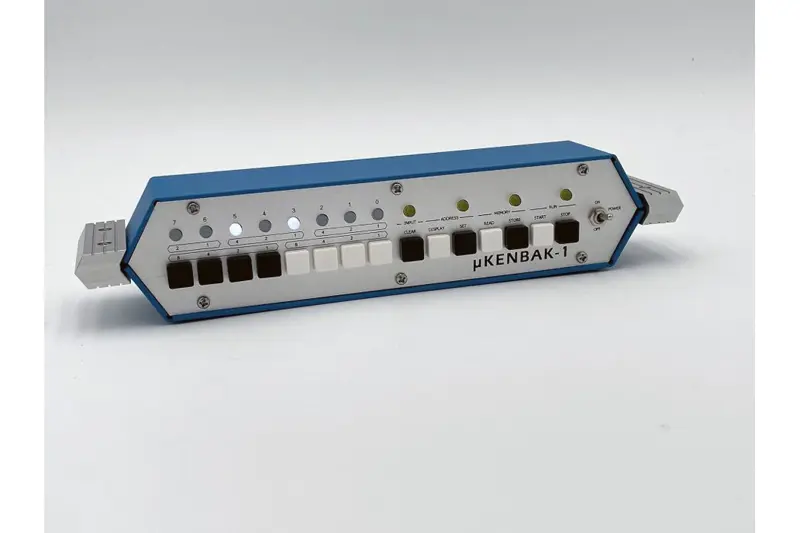
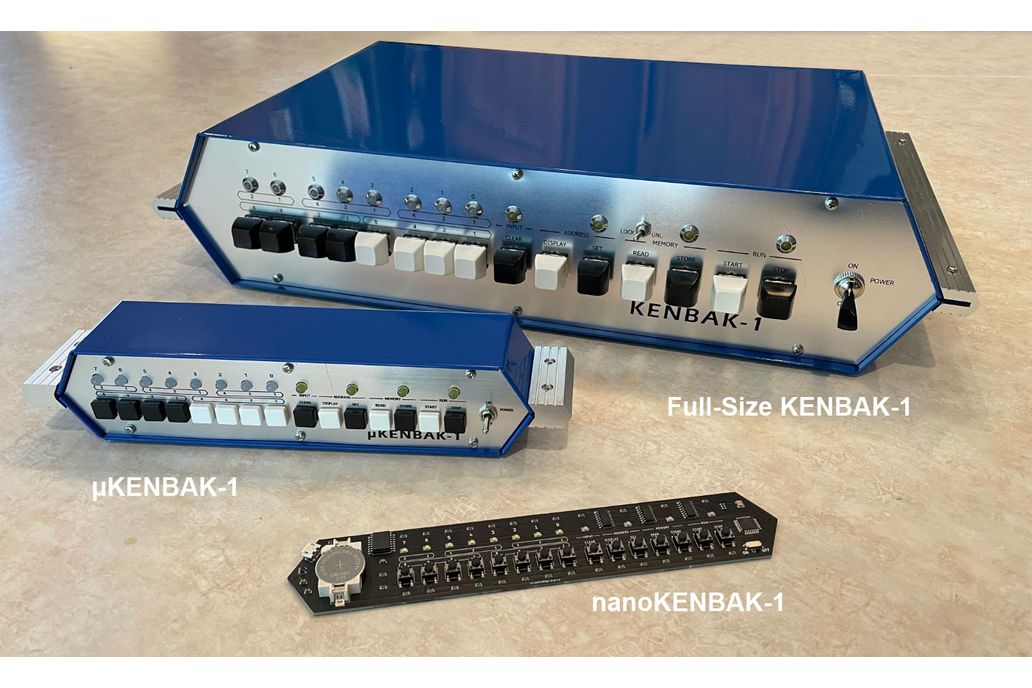
The Kenbak-1 is little-known, but still considered the first "personal" computer! This is a re-creation of the 1971 computer.


Here's what different in version 2.5:
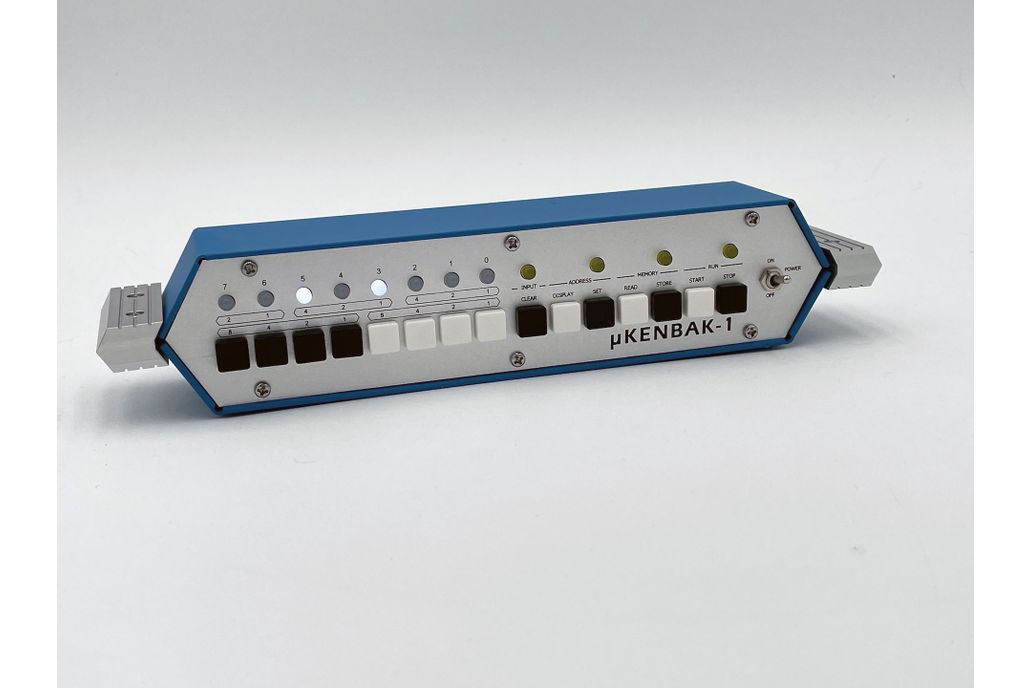
- Front panel is made of screen printed brushed aluminum (previously the front panel was aluminum colored acrylic.)
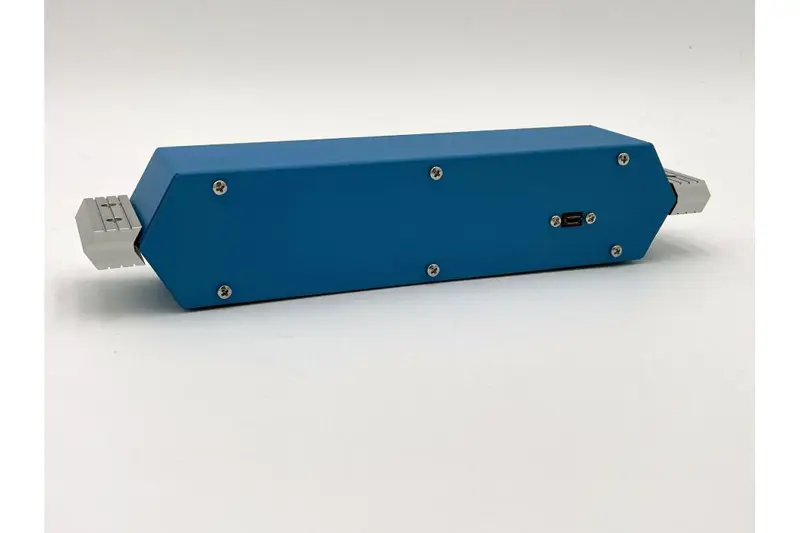
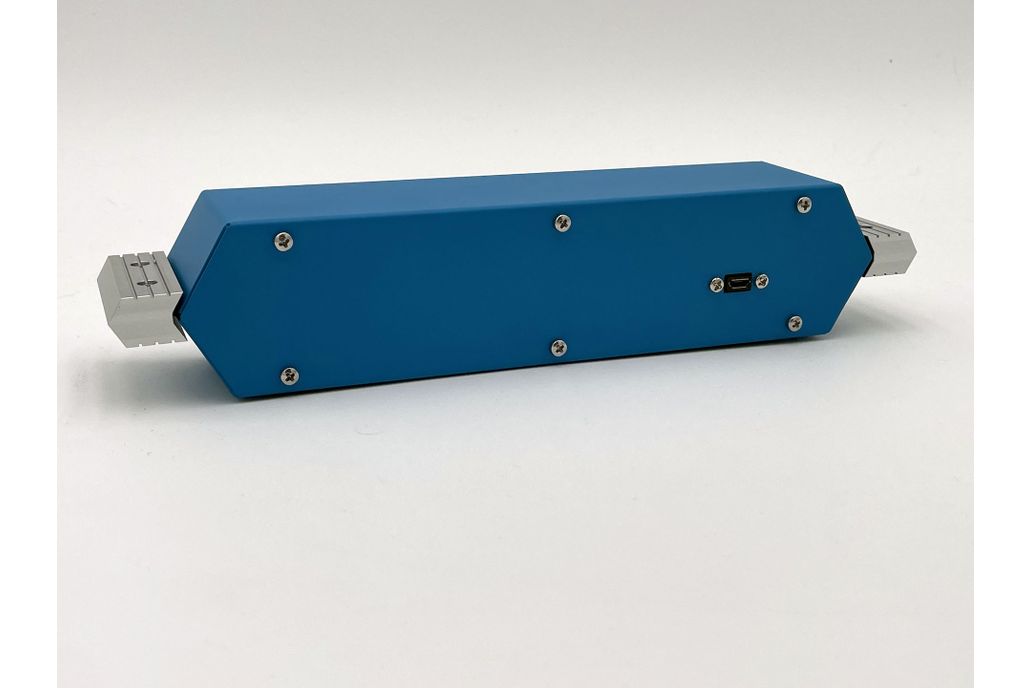
- The steel case is now a fingerprint-resistant matte finish (previously the case was a glossy fingerprint magnet!)
- The color of the steel case is a lighter blue, closer to the original Kenbak-1
John Blankenbaker was a visionary. Long before many, he understood that computers were the future. While a freshman attending the University of Oregon in 1949 he started working on his design for a personal computing device. That doesn't sound like so much today, but in 1949 it's estimated there were fewer than 100 computers world-wide. John set out to create that computer, but soon discovered it would be too expensive for an individual to build.
In July of 1971 John finally did it: he created the Kenbak-1, the world’s first personal computer. He understood that the capabilities of this computer were limited, but it would fill a niche – to provide a fun and educational method to introduce students to the concepts of computers and programming.
Since the Kenbak-1 was invented before the first microprocessor, the machine didn't have a one-chip CPU but instead was based purely on small-scale integration TTL chips. It was an 8-bit machine with 256 bytes of memory and an equivalent instruction clock speed of 1 MHz, but actual execution speed averaged below 1000 instructions per second due to architectural constraints such as slow access to serial memory.
Unfortunately, the timing and the target market (education) was not quite right. The price was $750 (about $4500 in today’s dollars.) Fewer than 50 units were produced, and the design was sold. But nothing could erase the fact that John Blankenbaker had created the first personal computer.
The Boston Computer Museum has awarded the designation of "First Personal Computer" to the Kenbak-1.
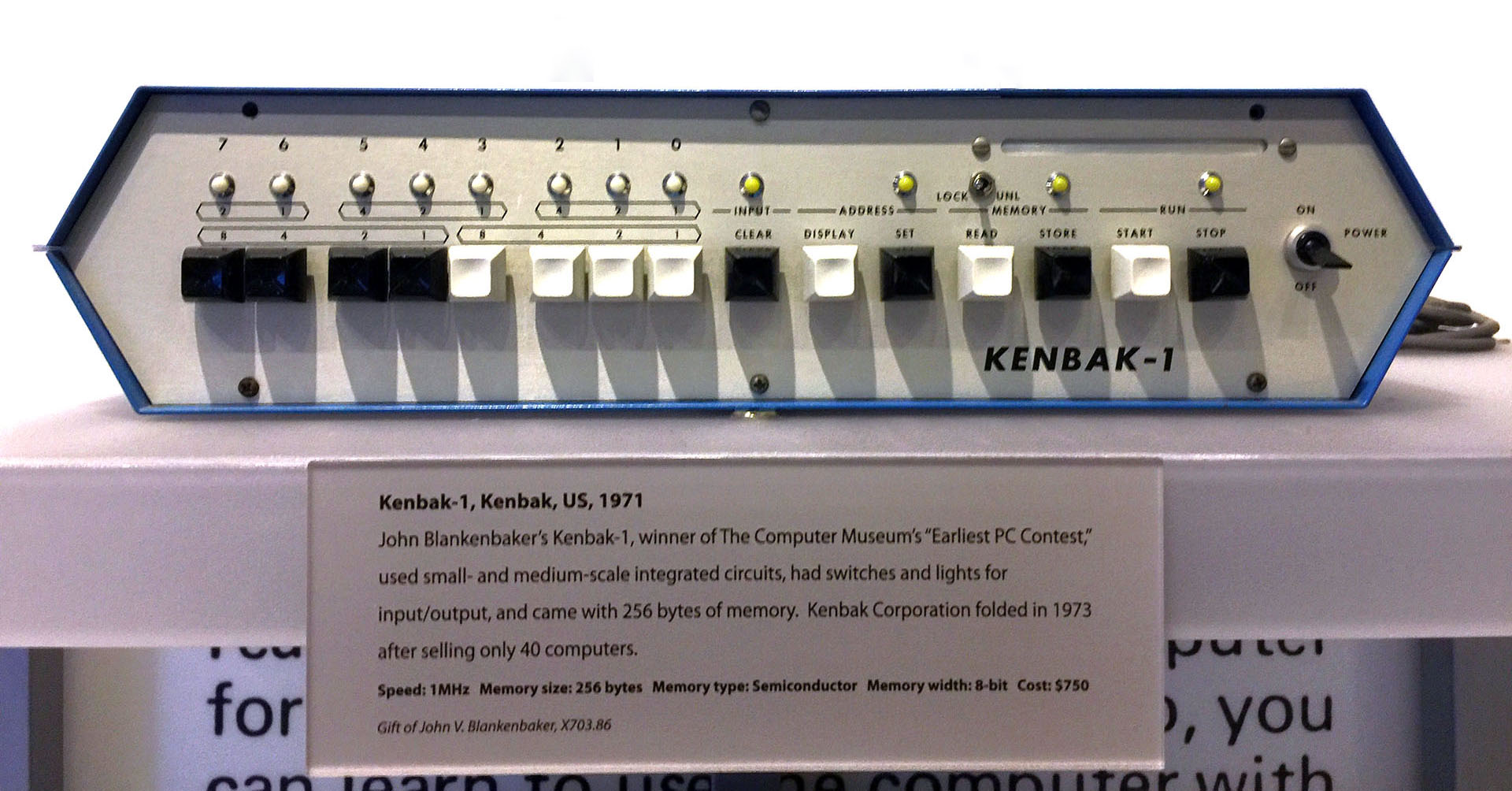
The Original Kenbak-1 at the Computer History Museum
After the success of my Altair-Duino kit, I knew my next project would be something more esoteric. It needed blinking lights of course, and had to have a great history. The Kenbak-1 fit that bill. I studied all information I could find on the Kenbak-1, but I knew I could never actually use one (it’s estimated there are 17 still in existence, with a minimum price of $25k!)
I came up with a plan and started working on it. I ran into some roadblocks and while Googling, I found the work of Mark Wilson of Christchurch, New Zealand. I sent a few questions to Mark, to which he responded that he had just been to my Altair-Duino website after seeing an article in IEEE Spectrum, and would love to see people have more access to his design and programming through a kit.
This kit is Mark’s brain-child, and is a relatively quick build. I’d even say this kit could serve as a good introduction to both electronic construction and computer operation for a young person.
And that’s why I wanted to make this kit available: as a living testimony to the birth of the computer revolution.
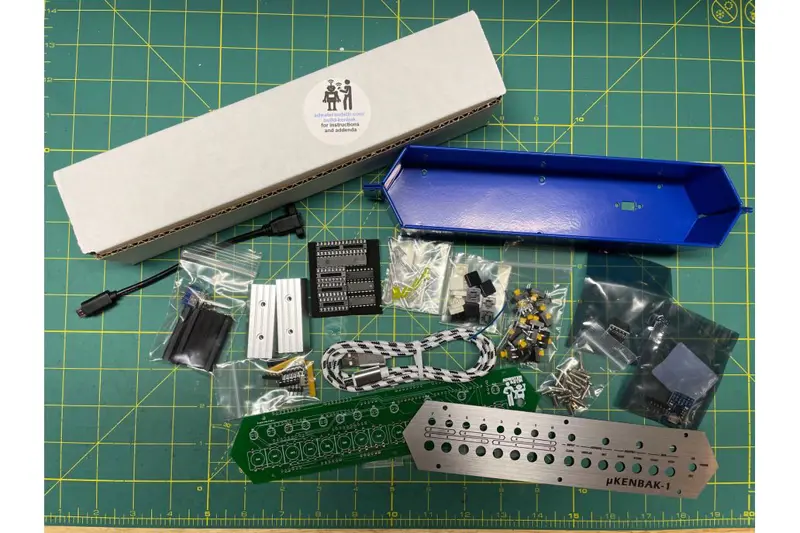
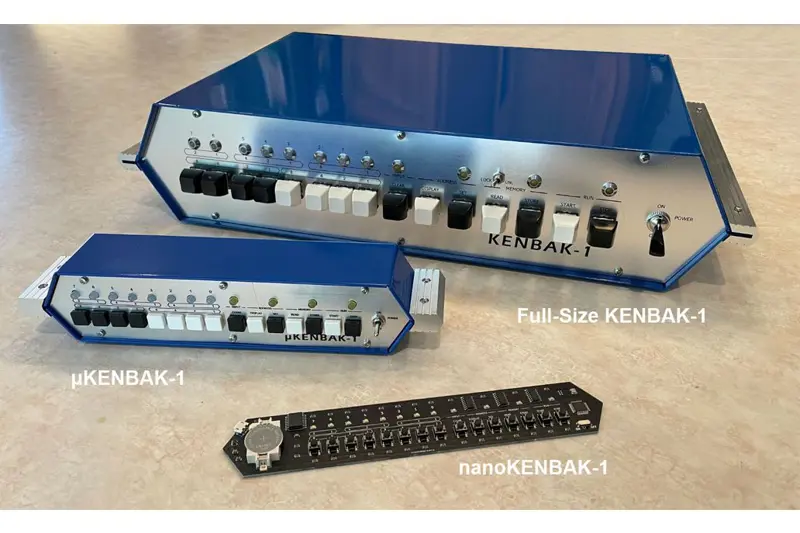
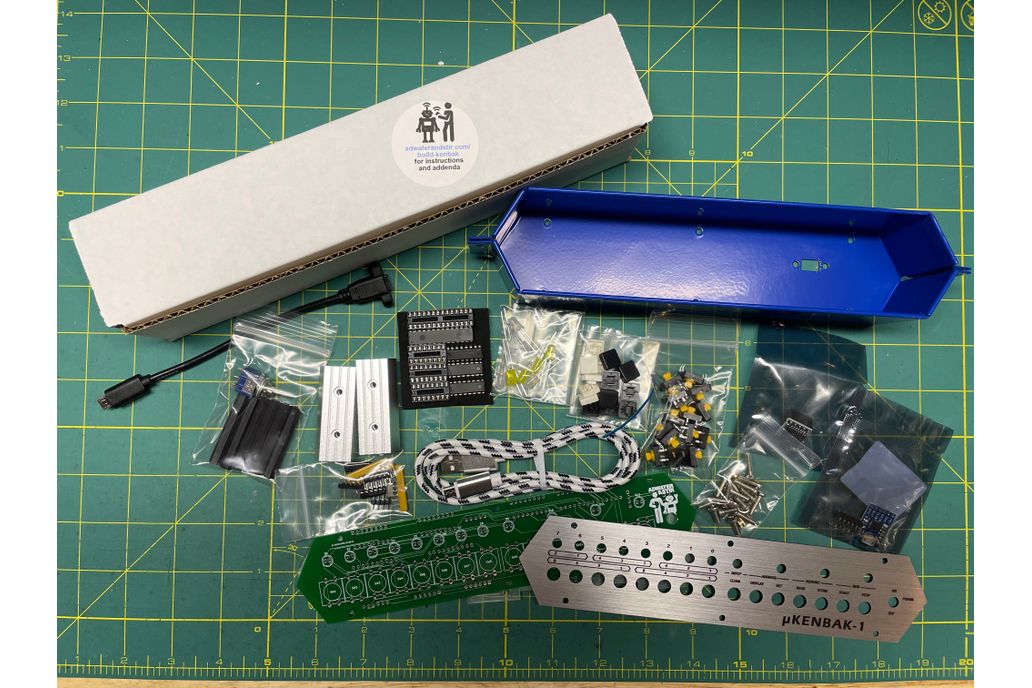
You will receive a professionally-made printed circuit board, all components, a pre-programmed ATMEG328p controller, a steel case with CNC machined aluminum sides (a 1:2 scale model produced from the original 58-year-old engineering drawings from Bud Industries), and a brushed aluminum front panel. The assembly/instruction manual is included and is also available for download with "Documentation" link below. Additional functionality has been added, such as a real-time clock module with three display modes (BCD clock, binary clock, and counting clock). The kit can be powered by a USB power supply, or connected to your computer. You can also upload/download machine code instead of toggling in each byte from the front panel.
Assembly is easy, even with beginner soldering skills. This kit uses all through-hole components.
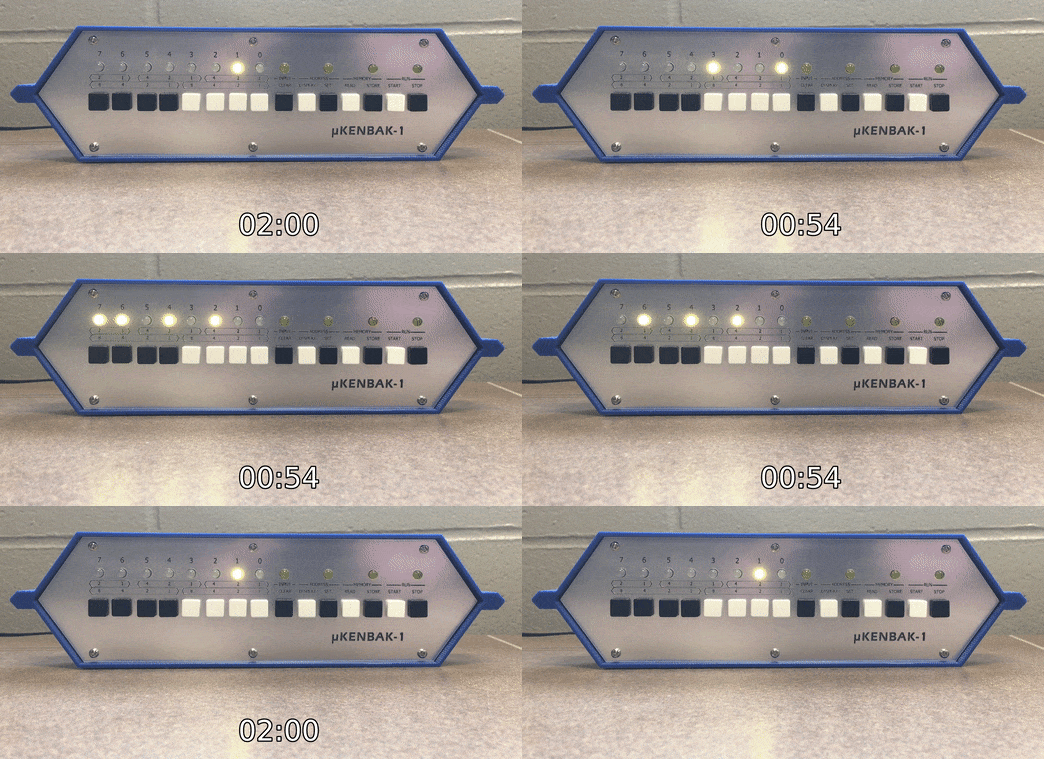
BCD Time Display (on the first-generation µKenbak-1)
Reviews
No reviews yet. Reviews can be left after a verified purchase/delivery.